
Maximizing Your Supplemental Insurance Claim in Florida for Hidden Damage
When you file an insurance claim for property damage in Florida, you expect the settlement to cover all necessary repairs. But sometimes, after repairs begin, you or your contractor discover additional damage that was not visible during the initial inspection. This can happen with roofing, flooring, mold, or structural issues that only become apparent once work starts. The good news is that Florida law allows homeowners to file a supplemental insurance claim to request more money for these hidden damages.
This guide explains how supplemental claims work in Florida, when you can file one, what evidence you need, and how working with a public adjuster can help you maximize your recovery.
What Is a Supplemental Insurance Claim?
A supplemental insurance claim is a formal request to your insurance company for additional payment on a claim you already filed. It is not a new claim but an extension of the original one. You file it when:
Additional damage is discovered during repairs
The original estimate was too low to cover actual repair costs
The insurance adjuster missed damage during the initial inspection
In Florida, supplemental claims are common after hurricanes, storms, fires, or water damage events. For example, a roofer might find rotted decking after removing damaged tiles, or a flooring contractor might uncover mold under the subfloor. These issues require extra funds beyond the initial settlement.
When You Can File a Supplemental Claim in Florida
Florida law allows homeowners to file a supplemental claim within 18 months from the date of loss. This time frame gives you a window to reopen your claim if you find new damage or realize the original settlement was insufficient.
You can file a supplemental claim if:
Repairs reveal hidden damage that was not visible during the first inspection
The original estimate did not reflect current contractor pricing or repair costs
You have documentation proving additional damage or costs
You cannot file a supplemental claim if:
The 18-month deadline has passed
The damage is unrelated to the original loss
You accepted a full and final settlement that explicitly closes the claim
How to Prepare Your Supplemental Claim
To increase your chances of approval, you need to provide clear evidence that supports your request for additional funds. Here’s what you should gather:
Detailed contractor reports describing the newly discovered damage
Photos and videos showing the hidden damage and repair work
Revised repair estimates from licensed contractors reflecting the additional work
Original claim documents including the initial estimate and settlement
Receipts or invoices for any repairs already completed
Make sure your documentation is thorough and organized. Insurance companies rely on evidence to justify additional payments.
Steps to File a Supplemental Claim
Notify your insurance company as soon as you discover additional damage.
Submit a written request for a supplemental claim referencing your original claim number.
Include all supporting documents such as contractor reports, photos, and revised estimates.
Schedule a reinspection with your insurance adjuster if requested.
Follow up regularly to track the status of your supplemental claim.
Being proactive and clear in your communication helps avoid delays.
How a Public Adjuster Can Help Maximize Your Supplemental Claim
Public adjusters work on behalf of homeowners, not insurance companies. They have expertise in evaluating damage, preparing claims, and negotiating settlements. Here’s how they add value:
Identify hidden damage that you or your contractor might miss
Prepare detailed, professional documentation to support your supplemental claim
Negotiate with the insurance company to ensure fair compensation
Handle communication and paperwork, reducing your stress
Help you meet deadlines and avoid claim denials
In Florida, where storm damage claims are complex and insurance companies often undervalue losses, a public adjuster can significantly increase your supplemental recovery.
Common Examples of Hidden Damage in Florida Claims
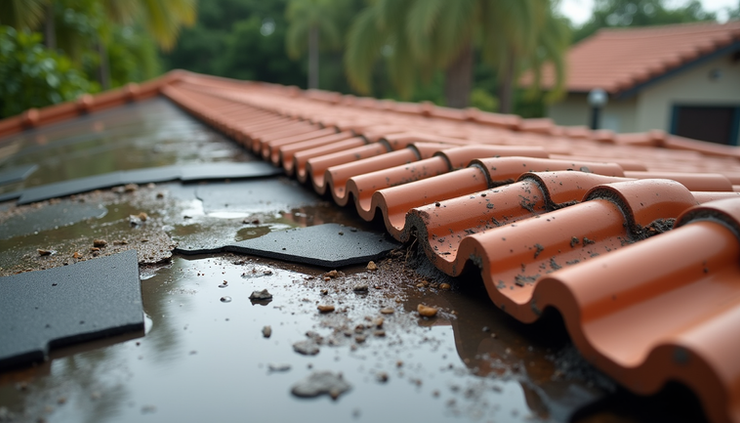
Roofing issues: Rotting decking, damaged underlayment, or unseen leaks
Mold growth: Mold under flooring or behind walls discovered during repairs
Water damage: Hidden water intrusion in ceilings, walls, or crawl spaces
Structural damage: Cracks or weaknesses in framing or foundation found after initial inspection
HVAC and electrical: Damage to systems uncovered during repair work
Each of these can add thousands of dollars to your repair costs and justify a supplemental claim.
Tips to Avoid Problems with Supplemental Claims
Keep detailed records of all repairs and communications
Hire licensed, reputable contractors for inspections and estimates
Don’t accept a full and final settlement if you suspect hidden damage
File your supplemental claim within 18 months of the loss date
Consider hiring a public adjuster early in the process
Being organized and informed helps you avoid claim denials or underpayments.
What to Expect After Filing a Supplemental Claim
Once you submit your supplemental claim, the insurance company will review your documents and may send an adjuster for a reinspection. They might:
Approve the additional payment
Request more information or documentation
Deny the claim if they believe the damage is unrelated or the deadline passed
If your claim is denied or the offer is too low, you can dispute it or seek legal advice. Many homeowners find success by working with a public adjuster or attorney experienced in Florida insurance claims.
Maximizing your supplemental insurance claim in Florida requires careful documentation, timely action, and sometimes professional help. If you discover hidden damage after starting repairs, don’t hesitate to file a supplemental claim within 18 months. This can provide the additional funds needed to fully restore your home and protect your investment.
Take the next step by gathering your repair documents and contacting your insurer or a public adjuster to review your options. Protect your home and your finances by making sure your insurance claim covers all the damage.


Comments